
From Police Uniform to Military Custody: How a Dismissed Inspector Allegedly Landed in an Arms Trafficking Probe
Sometimes, the most shocking security stories are not about the weapons themselves—they’re about the people allegedly connected to them.
What began as a routine intelligence operation in Plateau State has now opened the door to a much larger investigation, one that security officials believe could expose an interstate network involved in moving illegal weapons across Nigeria.
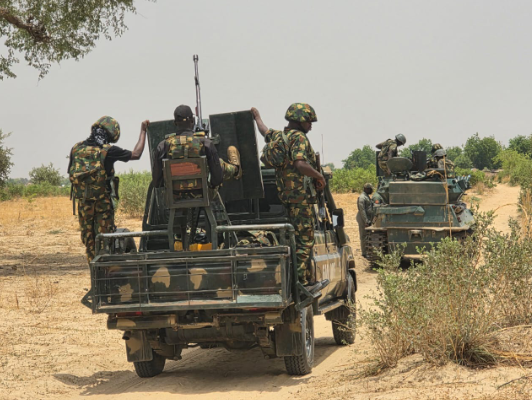
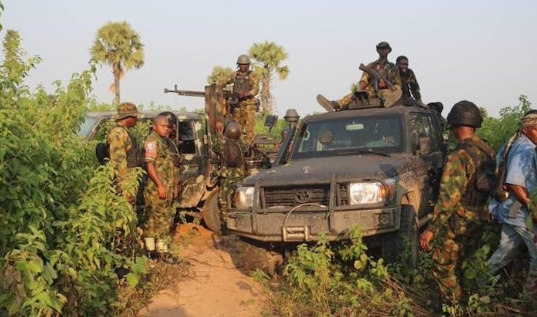
According to information released by the Nigerian Army, troops operating under Operation ENDURING PEACE have arrested a former police inspector who is alleged to have links to an arms trafficking syndicate.
The arrest reportedly took place on Sunday, June 14, after intelligence operatives tracked suspicious movements linked to the transportation of illegal weapons between states. Acting on the information, troops from Sector 6, working alongside Headquarters Operation ENDURING PEACE, launched an operation that eventually led them to their suspect.
Military authorities said the man was travelling in a white Peugeot vehicle from Jos South toward the Makera area of Riyom Local Government Area when he was intercepted.
What officers allegedly discovered during a search of the vehicle immediately raised serious concerns.
Among the items reportedly recovered were two locally manufactured pistols, 167 rounds of 9mm ammunition, three cans of pepper spray, and a jack knife. Investigators also recovered two mobile phones, cutlasses, a police staff identification tag, photographs showing the suspect in police uniform, ATM cards, a National Identification Number card, and cash totaling N73,300.
As details emerged, investigators identified the suspect as Danjuma Yusuf, a former police inspector who was once attached to Nigeria Police Force Base 7 in Abuja before his dismissal from service.
But the story did not end with the arrest.
According to the Army, preliminary intelligence findings suggest that Yusuf may have played a significant role in a wider weapons supply network operating across state lines. Security officials allege that the network has been involved in moving firearms to criminal groups connected to terrorism, banditry, kidnapping, and other violent activities that have continued to challenge security efforts in different parts of the country.
The allegation, if proven, paints a troubling picture of how illegal weapons may find their way into the hands of criminal elements.
Military authorities described the suspect as a key figure within the alleged network, stating that ongoing investigations are focused on uncovering additional collaborators, financial backers, and supply routes connected to the operation.
For now, Yusuf remains in military custody while interrogations continue.
The arrest is being viewed as part of a broader campaign to disrupt illegal arms circulation and cut off supply channels that fuel violent crimes across the country. Security agencies have repeatedly emphasized that restricting the movement of weapons remains one of the most important steps in reducing insecurity.
The Nigerian Army also renewed its commitment to working alongside other security agencies in confronting emerging threats. At the same time, it called on citizens to continue sharing credible information that could help security forces identify criminal networks before they strike.
As investigators dig deeper into the case, attention will likely shift from the weapons that were recovered to the bigger question authorities are trying to answer: how extensive is the network behind them?
That answer may determine whether this arrest becomes just another headline—or the breakthrough that exposes a much larger operation operating in the shadows.